

How Cushioning Prevents Running Injuries: A Simple Guide for Healthier Runs
Running is one of the most natural forms of movement.
But it is also high-impact.
Every step sends force through your feet, ankles, knees, hips, and spine.
Over time, that repeated impact is what leads to many common running injuries.
This is where cushioning matters.
In this guide, you’ll learn:
- What cushioning really does
- Which injuries cushioning helps prevent
- Why too little or too much cushioning can be a problem
- How socks play a bigger role than most runners realise
Why Running Injuries Are So Common
When you run, your body absorbs 2–3 times your body weight with each step.
That force travels upward through:
- Feet-Ankles
- Knees
- Hips
- Lower back
Without enough protection, small stresses build up silently.
Injuries don’t usually happen suddenly, they develop gradually.
Most runners don’t get injured because they run too much.
They get injured because their body isn’t given enough support between impacts.
What Cushioning Actually Does (In Simple Terms)
Cushioning is not about softness.
It is about impact management.
Good cushioning:
- Absorbs shock when your foot hits the ground
- Reduces stress on joints
- Lowers muscle fatigue
- Helps you recover faster between runs
Cushioning doesn’t remove impact completely, it controls it.
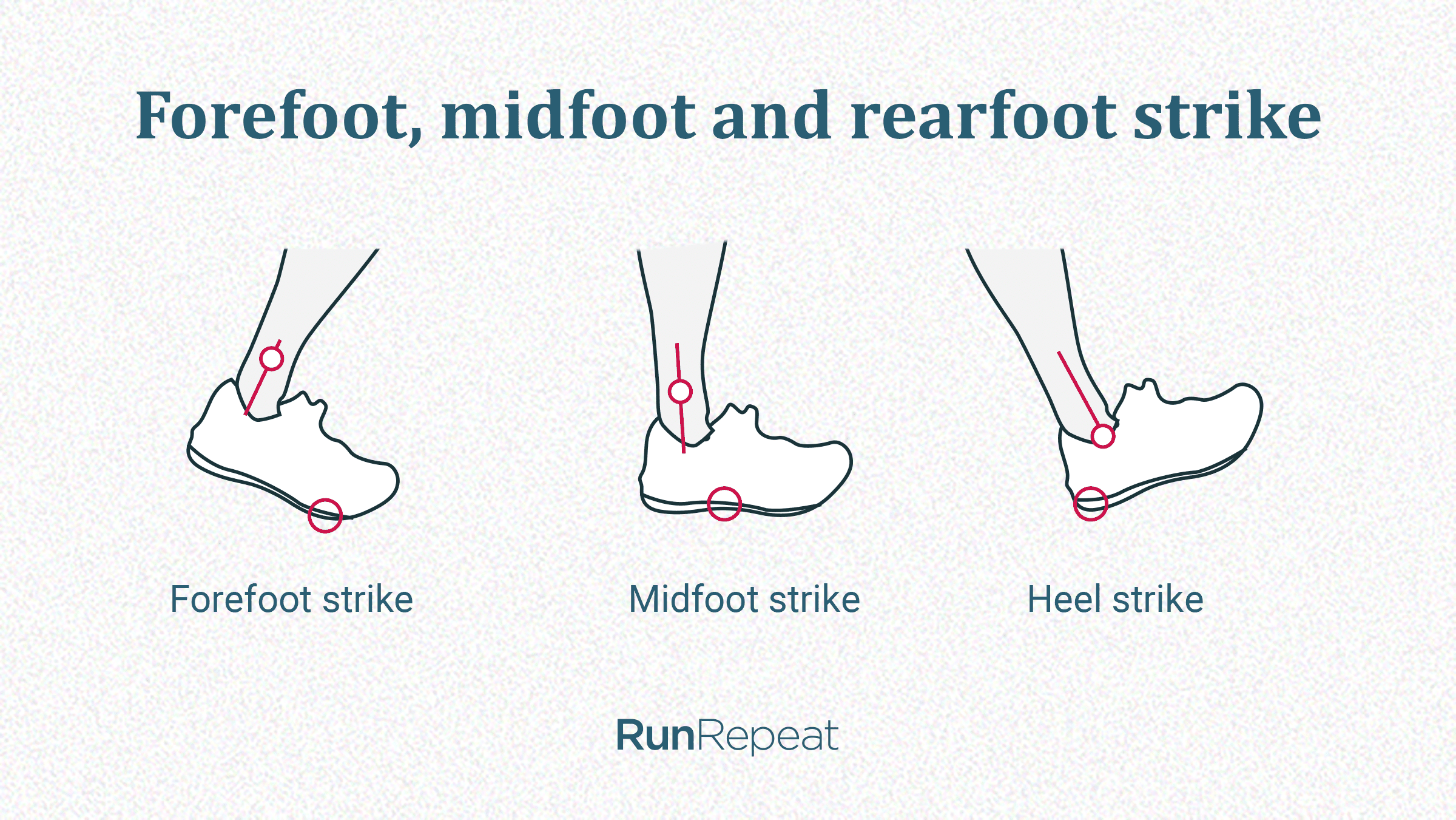
Common Running Injuries: Cushioning Helps Prevent
Knee Pain
Repeated impact without enough cushioning increases load on the knee joint.
Proper cushioning reduces that stress and helps maintain alignment.
Shin Splints
Hard impact forces the muscles and bones of the lower leg to absorb too much shock.
Cushioning softens that initial strike.
Plantar Fasciitis
Excess pressure on the heel and arch can strain the plantar fascia.
Cushioning distributes force more evenly across the foot.
Hip and Lower Back Pain
Shock travels upward.
If it isn’t absorbed at the foot, it reaches the hips and spine.
Is More Cushioning Always Better?
No.
Too little cushioning:
- Increases joint stress
- Raises injury risk
- Causes faster fatigue
Too much cushioning:
- Can feel unstable
- May reduce control
- Can increase foot movement inside the shoe
The goal is balanced cushioning, enough protection without losing stability.
Cushioning and Foot Type: Why It Matters
Different feet need different levels of cushioning.
- Flat feet often need cushioning plus support
- Neutral feet need cushioning plus stability
- Heavier runners often benefit from extra cushioning
- Long-distance runners need cushioning for fatigue management
Cushioning should match your body, not trends.
The Hidden Problem Most Runners Ignore: Friction Inside the Shoe
Even with good cushioning, injuries can still happen if your foot moves excessively inside the shoe.
This causes:
- Friction
- Hot spots
- Blisters
- Skin irritation
Over time, discomfort changes your running form which increases injury risk.
This is where socks matter more than people think.

How Bamboo Socks Support Injury Prevention
Socks are the first layer between your foot and the shoe.
Poor socks trap moisture and increase friction.
Good socks reduce movement, irritation, and fatigue.
Why Bamboo Socks Work So Well for Runners
-
Naturally breathable
-
Excellent moisture control
-
Soft on sensitive skin
-
Help reduce friction and hot spots
Bamboo socks don’t replace cushioning, they support it by keeping your foot stable and comfortable inside the shoe.
Less friction means:
- Fewer blisters
- More consistent running form
- Better long-term comfort
Small improvements compound over time.
Cushioning, Recovery, and Consistency
Injury prevention isn’t just about avoiding pain.
It’s about being able to run again tomorrow.
Cushioning helps by:
- Reducing muscle soreness
- Lowering joint fatigue
- Supporting recovery
When combined with breathable, skin-friendly socks, runners experience:
- Less irritation
- Less fatigue
- More consistent training
Consistency is where results come from.
Signs Your Cushioning Is No Longer Working
- New aches after short runs
- Legs feel heavier than usual
- Shoes feel “flat” or dead
- Increased soreness in knees or shins
Most shoes lose cushioning before they look worn.
How Often Should You Replace Cushioned Running Shoes?
General guideline:
- Every 300–500 miles
- Earlier if you notice discomfort
Rotating two pairs can help extend cushioning life.
Frequently Asked Questions
Does cushioning weaken your feet?
No. It protects joints and allows sustainable training.
Do cushioned shoes prevent all injuries?
No — but they significantly reduce impact-related injuries.
Are cushioned shoes only for beginners?
No. Many experienced runners use cushioning for longevity.
Can socks really affect injury risk?
Yes. Friction and moisture directly affect comfort, form, and fatigue.
---------------------------------------------------------------------------------------------------
Running injuries are rarely about one big mistake.
They come from small stresses repeated over time.
Good cushioning protects your body from impact.
Good socks protect your skin from friction.
Together, they help you run:
-
More comfortably
-
More consistently
-
With less risk of injury
Your body doesn’t need perfection.
It needs support.
Source: RunRepeat